

Managing Multi Department Workflows Through One Platform
Modern businesses operate through multiple departments working together every single day. Sales teams manage customer relationships, marketing teams handle campaigns and communication, operations teams monitor execution, finance departments track expenses and invoices, while customer support ensures clients remain satisfied. Each department plays a critical role, but the real challenge begins when these departments operate using disconnected systems. Many companies still rely on separate tools, spreadsheets, emails, messaging applications, and manual processes to manage daily tasks. While this may work temporarily, it eventually creates confusion, delays, communication gaps, duplicated work, and operational inefficiencies. Teams spend more time searching for information than actually using it to make decisions.
As businesses grow, managing workflows across departments becomes even more complex. Information moves slower, approvals take longer, and leaders struggle to maintain visibility over operations. This is where centralized workflow management platforms become essential. A unified platform allows businesses to bring multiple departments, processes, and data sources into one connected system. Instead of switching between different software tools or manually sharing updates, every department works within the same ecosystem. Information flows automatically, teams collaborate more efficiently, and management gains real-time visibility across the organization.
This approach is no longer considered a luxury for large enterprises. Companies of all sizes are now adopting centralized platforms to improve productivity, reduce operational bottlenecks, and create smarter workflows. In this Blog, we will explore how managing multi-department workflows through one platform improves efficiency, strengthens collaboration, simplifies operations, and helps businesses scale successfully.
Understanding Multi-Department Workflow Challenges
Before understanding the advantages of centralized systems, it is important to identify the common problems businesses face when departments work independently.
Communication Gaps Between Teams
One of the biggest operational issues in any organization is poor communication between departments. Sales teams may close deals without properly informing operations. Marketing may launch campaigns without updated inventory information. Finance teams may wait for approvals that get lost in emails. When communication relies heavily on manual updates, misunderstandings become common. Employees waste valuable time following up on messages, clarifying details, or correcting errors caused by outdated information. Over time, these gaps reduce productivity and negatively impact customer experience.
Data Scattered Across Multiple Systems
Many businesses use different software for different departments:
- CRM systems for sales
- Accounting tools for finance
- Project management software for operations
- Communication platforms for internal teams
- Reporting tools for management
While each tool may work well individually, disconnected systems create data silos. Information becomes trapped inside different applications, making it difficult for teams to access complete operational insights. Employees often need to manually transfer information from one system to another, increasing the risk of mistakes and duplication.
Delayed Decision-Making
Leaders require accurate and real-time information to make business decisions. However, when reports come from multiple disconnected systems, gathering data becomes time-consuming. Managers may wait hours or even days to receive updates from various departments. By the time information is compiled, it may already be outdated. Slow decision-making affects business agility and prevents organizations from responding quickly to opportunities or challenges.
Lack of Operational Visibility
Without a centralized platform, businesses struggle to maintain visibility across departments. Managers cannot easily track:
- Workflow progress
- Pending approvals
- Team performance
- Customer interactions
- Operational delays
- Financial status
- Resource allocation
This lack of transparency creates operational blind spots that reduce efficiency and increase risk.
Increased Manual Work
Disconnected workflows often require repetitive manual tasks such as:
- Copying data between systems
- Sending status update emails
- Creating spreadsheets
- Following up for approvals
- Updating reports manually
These repetitive activities consume time that employees could spend on higher-value work. Manual processes also increase the likelihood of human error.
What Is a Unified Workflow Platform?
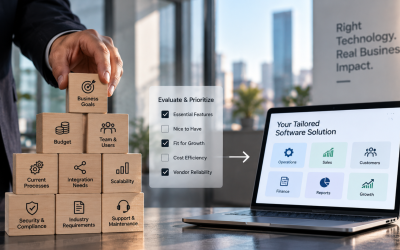
A unified workflow platform is a centralized system that connects departments, processes, tools, and data into one operational environment. Instead of working through isolated software systems, teams collaborate through a shared platform where information updates automatically and workflows move seamlessly across departments. A centralized platform typically includes:
- Workflow automation
- Real-time dashboards
- Team collaboration tools
- Task management
- Reporting and analytics
- Data integrations
- Notifications and approvals
- Document management
- Communication systems
The goal is to create one connected ecosystem where all departments operate together efficiently.
Benefits of Managing Workflows Through One Platform
Improved Cross-Department Collaboration
One of the biggest advantages of a unified platform is better collaboration between teams. When departments share the same system, everyone has access to the same information in real time. Updates happen instantly, reducing misunderstandings and communication delays. For example:
- Sales teams can instantly notify operations after closing a deal.
- Finance departments can automatically receive invoice requests.
- Support teams can view customer histories without requesting information manually.
- Management can monitor workflow progress from a single dashboard.
This connected environment improves coordination and strengthens teamwork across the organization.
Centralized Data Access
A unified platform eliminates data silos by bringing all information into one location. Employees no longer need to search through multiple applications or spreadsheets. Instead, they can access:
- Customer records
- Financial data
- Project updates
- Team tasks
- Reports
- Documents
- Workflow status
from a single interface. Centralized data improves accuracy, speeds up operations, and simplifies decision-making.
Real-Time Operational Visibility
Modern businesses require real-time operational insights. Unified platforms provide live dashboards that allow managers to monitor activities across departments instantly. Real-time visibility helps businesses:
- Identify delays quickly
- Monitor team performance
- Track project progress
- Analyze operational efficiency
- Detect workflow bottlenecks
- Improve accountability
Instead of waiting for manual reports, leadership teams can make informed decisions immediately.
Faster Workflow Automation
Automation becomes far more effective when departments operate through one connected platform. Tasks that previously required manual coordination can now happen automatically.
Examples include:
- Automatic task assignments
- Approval workflows
- Invoice generation
- Customer notifications
- Reporting updates
- Status alerts
- Lead distribution
- Document sharing
Automation reduces workload, speeds up execution, and minimizes human error.
Better Customer Experience
Customers expect fast responses, accurate information, and seamless service. Disconnected workflows often lead to delays and inconsistent communication. A centralized workflow platform helps businesses deliver better customer experiences by ensuring all departments remain aligned.
For example:
- Support teams can access real-time order updates.
- Sales teams can track service requests.
- Operations teams receive customer requirements instantly.
- Finance departments process billing faster.
Improved coordination leads to faster service delivery and higher customer satisfaction.
The Role of Automation in Workflow Management
Automation is one of the most valuable components of a centralized workflow platform. Without automation, teams still spend excessive time performing repetitive administrative tasks. Automation removes these inefficiencies and allows employees to focus on strategic work.
Automated Task Routing
Tasks can automatically move between departments based on workflow conditions.
For example:
- New sales leads can be assigned automatically.
- Approved invoices can move directly to finance.
- Completed projects can trigger customer notifications.
- Support tickets can route to the correct department.
This reduces delays and improves workflow speed.
Smart Notifications and Alerts
Automated alerts ensure teams stay informed without manual follow-ups.
Notifications may include:
- Pending approvals
- Missed deadlines
- Workflow updates
- System alerts
- Customer requests
- Task completions
This improves responsiveness across departments.
Automated Reporting
Generating reports manually consumes significant time.
Unified platforms can automatically generate:
- Performance reports
- Financial summaries
- Operational analytics
- Customer insights
- Productivity dashboards
Real-time reporting helps leadership make faster and smarter decisions.
Importance of Real-Time Dashboards
Dashboards are essential for managing workflows across multiple departments. They provide visual insights into business operations and help teams understand performance instantly.
Improved Decision-Making
Real-time dashboards provide accurate data that supports better business decisions. Managers can quickly identify:
- Delayed workflows
- Resource shortages
- Team productivity levels
- Customer service issues
- Financial trends
This allows businesses to respond proactively instead of reactively.
Increased Transparency
Dashboards create transparency across departments. Employees understand:
- Current priorities
- Workflow progress
- Pending responsibilities
- Operational goals
Transparency improves accountability and teamwork.
Performance Tracking
Organizations can track key performance indicators more effectively through centralized dashboards.
Common metrics include:
- Project completion rates
- Sales performance
- Customer satisfaction
- Response times
- Revenue growth
- Operational efficiency
Performance visibility encourages continuous improvement.
Scalability Through Centralized Workflow Systems
As businesses grow, operational complexity increases. Managing larger teams, additional customers, and expanding services becomes difficult without scalable systems. Unified workflow platforms support business growth by:
- Standardizing processes
- Reducing operational chaos
- Improving communication
- Automating repetitive tasks
- Supporting remote collaboration
- Providing centralized visibility
Scalable systems allow businesses to expand without losing operational control.
Security and Data Control
Managing sensitive business information across multiple disconnected tools can increase security risks. A centralized platform improves security by providing:
- Controlled access permissions
- Centralized data storage
- Activity monitoring
- Secure integrations
- Backup systems
- Compliance support
Businesses maintain better control over operational and customer data.
Remote and Hybrid Work Support
Modern work environments increasingly rely on remote and hybrid teams. A unified workflow platform ensures employees can collaborate efficiently regardless of location. Features that support remote operations include:
- Cloud-based access
- Real-time updates
- Team communication tools
- Shared dashboards
- Automated notifications
- Mobile accessibility
This flexibility improves productivity and operational continuity.
Reducing Operational Costs
Businesses often underestimate the financial impact of inefficient workflows. Disconnected systems create hidden costs through:
- Manual labor
- Delays
- Duplicate work
- Errors
- Miscommunication
- Slow approvals
A centralized workflow platform reduces these inefficiencies, leading to:
- Lower operational expenses
- Faster execution
- Better resource utilization
- Reduced administrative workload
Long-term operational savings can be substantial.
Common Features Businesses Should Look For
When choosing a workflow management platform, businesses should prioritize features that support scalability and operational efficiency. Important features include:
Workflow Automation: Automates repetitive tasks and approvals.
Real-Time Dashboards: Provides operational visibility across departments.
Integration Capabilities: Connects existing software tools and systems.
Role-Based Access: Controls user permissions securely.
Reporting and Analytics: Generates performance insights and operational reports.
Cloud Accessibility: Supports remote and hybrid work environments.
Mobile Compatibility: Allows teams to manage workflows on the go.
Communication Tools: Improves collaboration between departments.
Future Trends in Workflow Management
Technology continues to transform how businesses manage operations. Future workflow systems will increasingly include:
- Artificial intelligence
- Predictive analytics
- Smart automation
- Machine learning
- Advanced data visualization
- Intelligent process optimization
Businesses that adopt modern workflow platforms early gain a competitive advantage through improved agility and operational efficiency.
Wrapping it Up:
Managing multi-department workflows through one platform is becoming essential for modern businesses. As organizations grow, disconnected systems create operational challenges that slow productivity, reduce visibility, and increase inefficiencies. A unified workflow platform solves these challenges by connecting departments, automating processes, centralizing data, and providing real-time operational insights.
The benefits extend across every part of the organization:
- Better collaboration
- Faster communication
- Improved customer experience
- Reduced manual work
- Increased operational transparency
- Smarter decision-making
- Greater scalability
Businesses that embrace centralized workflow management position themselves for long-term growth and operational success. In today’s competitive environment, efficiency is no longer just an advantage — it is a necessity. Companies that streamline workflows through intelligent platforms can operate faster, serve customers better, and scale with confidence. As digital transformation continues to evolve, unified workflow systems will remain at the center of smarter, more connected business operations.